
Online dating has become one of the most common ways people meet partners today. Yet despite the massive popularity of dating apps, a surprisingly persistent question continues to appear across forums, social media, and conversations:
“What dating apps actually work?”
If you browse communities like Reddit, you’ll find thousands of discussions where users share honest experiences—some positive, many frustrating.
People often report the same issues:
- Endless swiping
- Conversations that go nowhere
- Ghosting
- Mismatched expectations
- Feeling like dating apps are designed for attention rather than connection
At the same time, certain platforms repeatedly come up as working better than others. And recently, a new generation of apps—including Lumore—is trying to rethink the entire experience.
This article explores which dating apps people say actually work, why many apps fail users, and how newer approaches are trying to change the game.
Why Many People Feel Dating Apps Don’t Work
Before identifying which apps succeed, it’s important to understand the deeper frustration many users share.
Across online discussions, several themes appear repeatedly.
1. Swipe Fatigue
Apps built around constant swiping can quickly feel exhausting.
Instead of focusing on a few meaningful introductions, users scroll through hundreds of profiles. Over time, this creates decision fatigue, making people less invested in each match.
2. Low-Quality Conversations
Even when matches happen, conversations often stall after a few messages. Many people report that chats feel repetitive, shallow, or transactional.
3. Ghosting Culture
Ghosting—when someone disappears without explanation—has become one of the most common complaints in online dating.
Because there are always more profiles available, some users disengage quickly instead of resolving conversations.
4. Algorithm-Driven Attention
Many platforms optimize for engagement metrics rather than meaningful outcomes.
That means the goal may be to keep users scrolling longer instead of helping them leave the app after finding a relationship.
These frustrations explain why people continuously search for dating apps that actually lead to real connections.
Dating Apps That Actually Work (According to User Experiences)
While no platform works for everyone, a few apps consistently receive positive feedback from users seeking genuine connections.
1. Hinge – Designed Around Conversations
Hinge is frequently described as one of the most relationship-focused mainstream apps.
Instead of simple swiping, users interact with profile prompts, allowing them to respond to specific parts of someone’s profile.
Why many users like Hinge:
- Conversation-focused profiles
- Prompts that reveal personality
- More intentional user base
- Higher-quality matches
For people tired of superficial matching, Hinge often feels more thoughtful than traditional swipe apps.
2. Bumble – Changing the Messaging Dynamic
Bumble introduced a structural change: women send the first message in heterosexual matches.
This small rule shifts the tone of conversations and can reduce spam or unwanted messages.
Common reasons people prefer Bumble:
- More respectful interactions
- Balanced gender dynamics
- Strong user base in major cities
- Active young professionals
In urban environments especially, Bumble often produces consistent matches.
3. Tinder – Still the Largest Dating Pool
Despite its reputation for casual dating, Tinder remains one of the most widely used platforms globally.
Its biggest advantage is simple: scale.
With millions of users worldwide, the probability of finding someone nearby is high.
However, success on Tinder typically requires:
- Strong photos
- A distinctive profile
- Fast conversation engagement
Because the platform moves quickly, profiles that stand out visually tend to perform better.
4. Coffee Meets Bagel – Slower, Curated Dating
Some users prefer a more deliberate pace, which is where Coffee Meets Bagel stands out.
Instead of unlimited swiping, the app sends a limited number of curated matches each day.
Why some people prefer this model:
- Less overwhelming
- More thoughtful introductions
- Higher response rates
- Less time spent scrolling
This slower approach appeals to people who want dating to feel less like browsing and more like meeting someone intentionally.
5. OkCupid – Personality-Based Compatibility
OkCupid has long focused on personality matching through detailed questions.
Users answer hundreds of optional prompts, generating compatibility scores with potential matches.
Advantages include:
- Deeper profiles
- Value-based compatibility
- Strong filtering options
- Clearer expectations
For people who care about shared beliefs, interests, and lifestyle compatibility, OkCupid often feels more informative than swipe-first apps.
Introducing Lumore: A Different Philosophy for Online Dating
While the apps above dominate the current market, a newer idea is emerging.
Instead of encouraging users to browse endlessly, Lumore focuses on intentional introductions and meaningful conversation.
Many modern dating apps rely heavily on engagement loops:
Swipe → match → swipe again.
Lumore tries to shift the experience toward something closer to real-world introductions.
Rather than encouraging users to accumulate dozens of matches, the platform emphasizes:
- Fewer but more relevant introductions
- Conversation-first interaction
- Intentional matching
- Reduced swipe fatigue
The goal is not to maximize time spent on the app, but to improve the quality of connections.
Why Lumore Is Getting Attention
As online dating evolves, users are increasingly looking for platforms that feel less like social media and more like genuine introductions.
Lumore attempts to address several frustrations common across traditional apps.
Reduced Swipe Fatigue
Instead of browsing hundreds of profiles, the system focuses on more targeted introductions, helping users engage more deeply with each match.
Profiles Built Around Personality
Many dating apps are dominated by photos alone.
Lumore encourages profiles that highlight:
- Personality
- Interests
- Intentions
- Conversation starters
This helps people move beyond surface-level impressions.
Conversation Before Judgement
A common complaint about swipe apps is that users are judged almost instantly based on photos.
Lumore’s approach prioritizes interaction first, which can allow personality and conversation to play a bigger role in attraction.
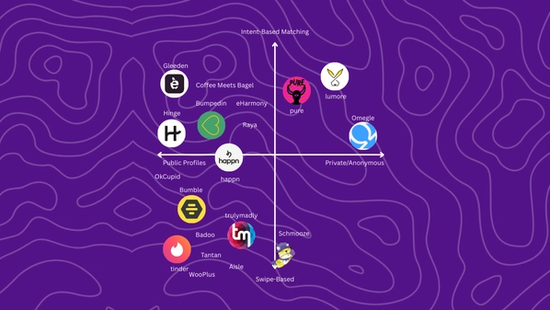
Quick Comparison of Dating Apps
Each platform serves a slightly different purpose.
Choosing the right one often depends on your dating goals, personality, and preferred pace.
Tips to Make Dating Apps Work Better
Even the best platform requires effort. Experienced users often recommend a few practical strategies.
Use Clear, Natural Photos
Good photos dramatically increase profile engagement.
Helpful examples include:
- A clear smiling headshot
- A full-body photo
- A hobby or activity photo
- A social photo with friends
Avoid overly filtered or low-light images.
Write a Bio That Invites Conversation
Instead of generic bios, write something that encourages interaction.
For example:
- “Looking for someone to explore the best coffee spots in town.”
- “Convince me your favorite movie is better than mine.”
Profiles that invite conversation tend to receive more responses.
Move Toward Real-Life Interaction
Dating apps are tools—not destinations.
Many people recommend:
- Chat briefly
- Build comfort
- Suggest a casual meetup
Moving toward real-world interaction often leads to better outcomes.
Frequently Asked Questions
What dating apps actually work best for relationships?
Apps like Hinge, Bumble, Coffee Meets Bagel, and Lumore tend to attract users interested in meaningful connections.
Is Tinder still worth using?
Yes. Because of its large user base, Tinder offers many potential matches—though results depend heavily on profile quality.
Why do conversations die on dating apps?
Common reasons include mismatched expectations, low effort messages, or lack of clear intent.
Are newer dating apps better?
Newer apps often attempt to fix frustrations like swipe fatigue and superficial matching. Some users prefer these alternative approaches.
How long should you try a dating app?
Many people recommend trying a platform for 4–6 weeks before deciding whether it fits your goals.
Conclusion
So, what dating apps actually work?
Based on user experiences across the internet, platforms like Hinge, Bumble, Tinder, Coffee Meets Bagel, and OkCupid consistently help people meet partners.
However, the dating landscape continues to evolve.
Newer platforms such as Lumore are experimenting with approaches that emphasize conversation, intentional matching, and reduced swiping.
Ultimately, success in online dating usually depends on three factors:
- Creating a thoughtful profile
- Engaging in genuine conversations
- Choosing a platform aligned with your goals
The right combination of these elements can significantly improve your chances of meeting someone meaningful—online and beyond.