
Every few months, the same question trends again:
“Do dating apps actually work?”
People aren’t asking out of curiosity. They’re asking out of exhaustion.
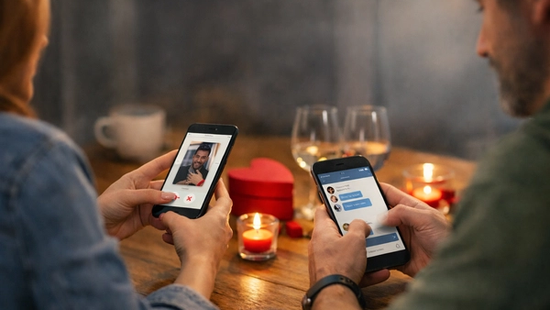
After hundreds of swipes, dozens of matches, and even a few dates, many users are left wondering whether apps like Tinder, Bumble, and Hinge are helping them find real relationships—or just keeping them busy.
Let’s break this down honestly.
---
First, what does “work” even mean?
If “work” means:
- getting matches,
- short-term dopamine hits,
- or a steady stream of new faces,
then yes—dating apps work extremely well.
But if “work” means:
- meaningful conversations,
- emotional compatibility,
- or long-term relationships,
then the answer becomes uncomfortable: sometimes, accidentally.
Most dating apps are not designed for connection. They’re designed for engagement.
---
The swipe problem
Swipe-based dating apps are built on a simple loop:
- Show a photo
- Trigger a quick judgment
- Reward the swipe with a match
- Repeat
This system optimizes for volume, not clarity.
The problems this creates:
- You evaluate people like products
- You match without knowing intent
- Conversations start shallow and die fast
- Everyone is talking to multiple people at once
Over time, users don’t become better at dating—they become better at discarding.
---
Why matches don’t turn into relationships
Here’s what users experience but rarely articulate:
- No intent alignment
Someone wants a relationship. Someone else wants validation. Someone just wants to kill time. The app treats all three as equal. - Too many options
When a better match might be one swipe away, nobody invests in the current conversation. - Low accountability
Ghosting is frictionless. Ending things respectfully is optional. - Photos dominate everything
Attraction matters—but when photos are 90% of the decision, compatibility never gets a chance.
So even when you get matches, nothing progresses.
---
The uncomfortable truth
Dating apps can lead to relationships—but not because of how they’re designed.
They work when:
- timing aligns perfectly,
- both people are unusually intentional,
- and neither gets distracted by better-looking alternatives.
That’s not a system. That’s luck.
If an app requires exceptional behavior from average users to succeed, the design is broken.
---
What actually helps dating apps work better?
When you strip the noise away, successful connections usually need four things:
- Intent first, not photos first
Why are you here? What are you actually looking for? - Context before attraction
Interests, values, lifestyle, personality—things you talk about, not just look at. - Fewer but better matches
One focused conversation beats ten half-hearted ones. - A safe way to build trust
Not everyone wants to reveal their face or identity immediately—and they shouldn’t have to.
Most mainstream dating apps struggle with all four.
---
Rethinking what “working” should look like
Maybe the real question isn’t “Do dating apps work?”
Maybe it’s:
“What kind of dating experience are we optimizing for?”If the goal is endless engagement, swiping works perfectly.
If the goal is meaningful connection, the model needs to change.
That’s why newer approaches are questioning:
- swiping as the default,
- public profiles as mandatory,
- and unlimited matching as a feature.
Connection doesn’t come from more exposure.
It comes from better starting points.
---
So… are dating apps a waste of time?
Not entirely.
But many of them are misaligned with what users actually want.
People don’t want more matches.
They want clarity, safety, and conversations that go somewhere.
Until dating apps are designed around those outcomes—not just retention metrics—the question “Do dating apps actually work?” will keep being asked.
And the fact that it’s still being asked tells you everything.
---
A quiet shift is starting
Some newer platforms are experimenting with different ideas:
- removing swiping,
- prioritizing intent,
- starting with conversation instead of photos,
- and letting trust build before full profiles are revealed.
Lumore is one example of this shift—built around anonymous, real-time conversation, intent-based matching, and progressive profile unlocks instead of instant judgment.
Not as a replacement for dating apps as we know them—but as a rethink of what “working” should actually mean.
Because maybe dating doesn’t need more matches.
Maybe it just needs better beginnings.